Off-Plan Property Investment: Risks, Returns and How to Buy Safely
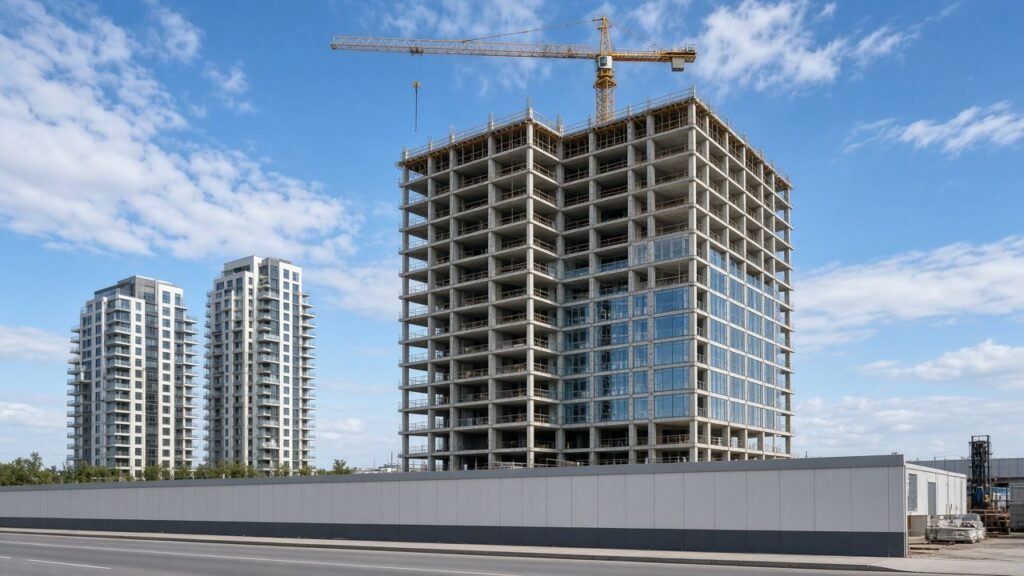
Off-plan property means buying a home before it has been built, or while it is still under construction. It is one of the most popular ways to invest in new property, from Dubai, where off-plan homes make up the majority of sales, to London and the Spanish coast. Done well, it can offer an attractive entry price, flexible payments and a brand-new asset on completion. Done badly, it can tie up capital in a delayed or overpriced project. This guide explains how off-plan property investment works and how to buy safely.
What is off-plan property?
When you buy off-plan, you agree to buy a specific unit in a planned or unfinished development, based on plans, specifications and show homes. You pay a deposit and, depending on the market, further instalments during construction. You become the owner when the building is completed and handed over.
The term covers everything from a single apartment in a high-rise tower to a villa in a gated community. Many developers release units in phases, with early phases priced lower to attract the first buyers.
Why investors buy off-plan
- Lower entry price. Early buyers often pay less than the expected value at completion, especially in the first launch phase.
- Payment plans. Instead of paying the full price upfront, you pay in stages, which spreads the cash requirement and can improve the return on capital.
- Capital growth during construction. In a rising market the value of the unit can increase between purchase and handover.
- A modern product. New homes are energy-efficient, need little maintenance in the first years and are easier to let to quality tenants.
- Choice. Early buyers get the best floors, views and layouts.
The main risks of off-plan property
- Construction delays. Handover dates can slip, delaying rental income and the return of capital.
- Developer risk. If the developer runs into financial trouble, the project may stall. This is why buyer protection rules matter.
- Valuation gap. If the market falls, the unit may be worth less at completion than you agreed to pay, which can affect your mortgage.
- Specification changes. The finished product may differ from the brochure.
- Oversupply. When many projects complete at the same time in one area, rents and resale prices can come under pressure.
- Resale restrictions. Some developers limit or charge for selling your contract before completion.
Off-plan property in Dubai
Dubai is the world’s best-known off-plan market. In November 2026 off-plan homes accounted for around 57% of all registered sales (see our Dubai property market update). Several features make the market attractive to international investors:
- Escrow accounts. Buyers’ payments for off-plan projects go into a project escrow account regulated by the authorities, and developers can only draw funds as construction progresses.
- Registration. Off-plan sales are registered with the Dubai Land Department, which gives buyers a recorded interest in the unit.
- Payment plans. Developers commonly offer plans such as 60/40 or 70/30, and some include post-handover instalments spread over several years.
- No income tax on rent. Dubai does not tax personal rental income, although service charges and registration fees apply.
The key is choosing an established developer and a community with real end-user demand. Read the TALO Dubai property investment guide for an overview of the city’s districts.
Off-plan property in the UK
In the UK, off-plan buyers usually pay a deposit of 10–20% on exchange of contracts and the balance on completion, rather than in instalments. Deposits are normally held by the solicitors involved, and new homes come with a structural warranty, typically for ten years. Off-plan is common in London and regional cities such as Manchester and Birmingham. Read our property investment UK guide for the wider picture, including the tax changes coming in April 2027, or browse current UK property investment projects.
Off-plan property in Spain
Spanish law requires developers to protect buyers’ stage payments with a bank guarantee or insurance policy, so the money is returned if the home is not finished or not delivered. Payments are typically spread across reservation, contract signing and construction milestones, with the balance due on completion before a notary. New homes carry 10% VAT rather than transfer tax. Find out more in our guide on how to buy property in Spain.
Off-plan vs ready property
The choice between off-plan and ready property comes down to time, risk and cash flow.
- Ready property can be inspected, valued and let straight away. You know exactly what you are buying and start earning rent immediately, but you pay today’s full market price upfront or with a mortgage.
- Off-plan property usually costs less at launch and spreads payments over the construction period, but you wait for income and carry delivery risk until handover.
Many investors hold a mix of both: ready, income-producing homes for steady cash flow and selected off-plan units for growth.
How a payment plan works: a simple example
Imagine a one-bedroom apartment priced at AED 1,200,000 in Dubai with a 60/40 payment plan. The buyer pays a 10–20% down payment at booking, then further instalments linked to construction milestones until 60% of the price has been paid by handover. The remaining 40% is due on completion, either in cash, through a mortgage or, with some developers, in instalments after handover. Registration fees are paid on top. Because only part of the price is paid during construction, the investor’s capital is used more efficiently; but every instalment is a firm commitment, so cash flow must be planned for the whole schedule, including the final payment.
How to evaluate an off-plan project
- Developer track record. Visit completed projects, check delivery times and talk to previous buyers.
- Location fundamentals. Look for jobs, transport, schools and amenities that will attract tenants and future buyers.
- Price versus comparables. Compare the price per square metre or square foot with recently completed buildings nearby.
- Supply pipeline. Check how many other units will complete in the same area at the same time.
- Payment protection. Confirm escrow, bank guarantees or solicitor-held deposits.
- Contract terms. Read the clauses on delays, specification changes, resale and cancellation.
- Exit plan. Decide whether you will sell on completion, keep and let, or assign the contract, and run the numbers for each.
Exit strategies
Off-plan investors usually choose one of three routes. They can assign or resell the contract before completion, if the developer allows it; complete and let the property for rental income; or complete and sell once the building is finished and the area has matured. Your choice affects the financing you need and the tax you pay, so plan it from the start.
Frequently asked questions
Is off-plan property a good investment?
It can be, if you buy from a reliable developer, in a location with real demand, at a fair price and with your payments protected. It is less suitable if you need income immediately or cannot cope with delays.
Can I get a mortgage on off-plan property?
In most markets the mortgage is arranged closer to completion, based on the valuation at that time. In Dubai, developer payment plans often replace a mortgage during construction.
What deposit do I need?
Typically 10–20% to secure the unit, with further payments depending on the market and the payment plan.
Next steps
TALO works with new build, refurbishment and development projects across several markets. Browse current property investment opportunities, see our completed developments, or contact us to discuss a project.